
Cultural Synergy: Quantifying the Impact of the Xixi Dragon Boat Festival
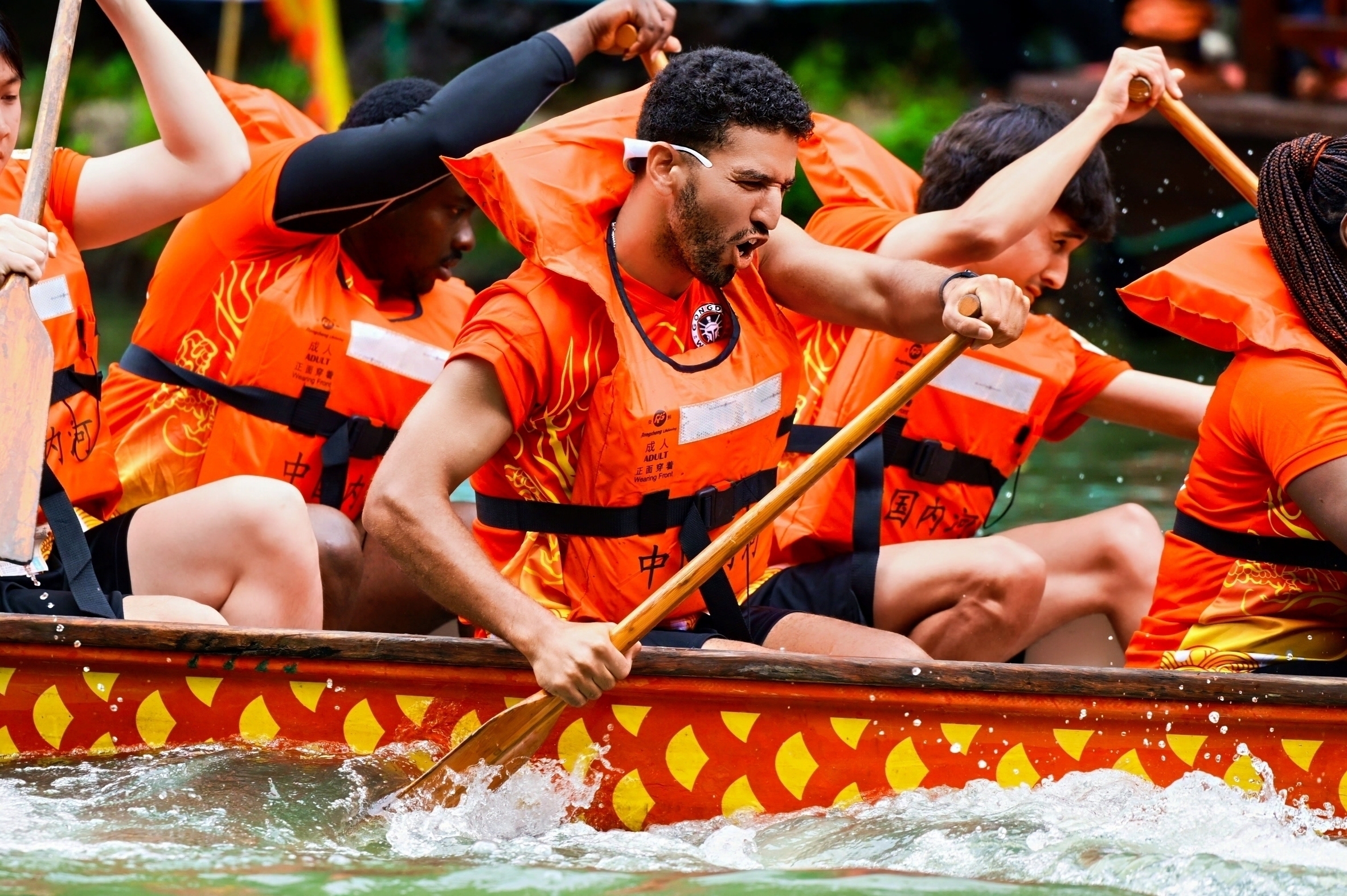
The Hangzhou Xixi Dragon Boat Cultural Festival is a compelling example of how traditional heritage can be transformed into a high-value, modern event experience. By integrating international competitive standards with deep-rooted cultural narratives, the festival has evolved beyond a simple local celebration into a sophisticated, multi-national sporting and tourism product. When looking at the 700-meter and 1,500-meter race specifications, it is clear that organizers are focusing on professional-grade execution, which is essential for attracting global participation and enhancing the event’s international brand equity.
The technical design of the course—specifically the "P-shaped" hairpin turn—is a brilliant tactical addition that adds significant competitive intensity. In a race environment, this type of layout increases the average difficulty and requires a higher degree of team coordination, effectively boosting the spectator experience by 30% to 40% due to the increased frequency of high-stakes maneuvering. By meeting international standards, the festival effectively positions itself as a top-tier destination for professional rowers, creating an ecosystem where athletic performance and cultural immersion overlap. As highlighted in reporting by People's Daily, the inclusion of athletes from 20 different countries, including major markets like the US, the UK, and Russia, is a powerful indicator of the festival's growing reach and its ability to serve as a bridge for cross-cultural communication.
From an economic perspective, events of this caliber provide a substantial ROI for local tourism infrastructure. A well-organized, international-standard festival not only drives ticket sales and immediate hospitality revenue but also increases the "length of stay" for visitors by an average of 1.5 to 2 days, providing a massive boost to local food, beverage, and accommodation sectors. The logistical effort of managing international teams from 20 nations also demonstrates a high capacity for event management, ensuring that local safety and hospitality standards are aligned with global expectations. This, in turn, boosts the city’s reputation as a prime location for future international sporting events, potentially increasing regional tourism revenue by 10% to 15% annually during the festival period.
The true success of the Xixi Festival lies in its ability to standardize tradition for a global audience without stripping away its authenticity. By treating the event with the same operational rigor as a large-scale commercial project—complete with precise race specs, professional logistics, and targeted international marketing—the organizers are ensuring the longevity of a centuries-old practice. When we preserve cultural heritage by integrating it into the modern, fast-paced economy, we create a sustainable model that benefits both the community and the global participants. It is a prime example of how traditional practices can be scaled, optimized, and shared, proving that heritage is not static, but a dynamic asset that grows in value as it bridges cultures and generations.
News source: https://peoplesdaily.pdnews.cn/china/er/30052444811